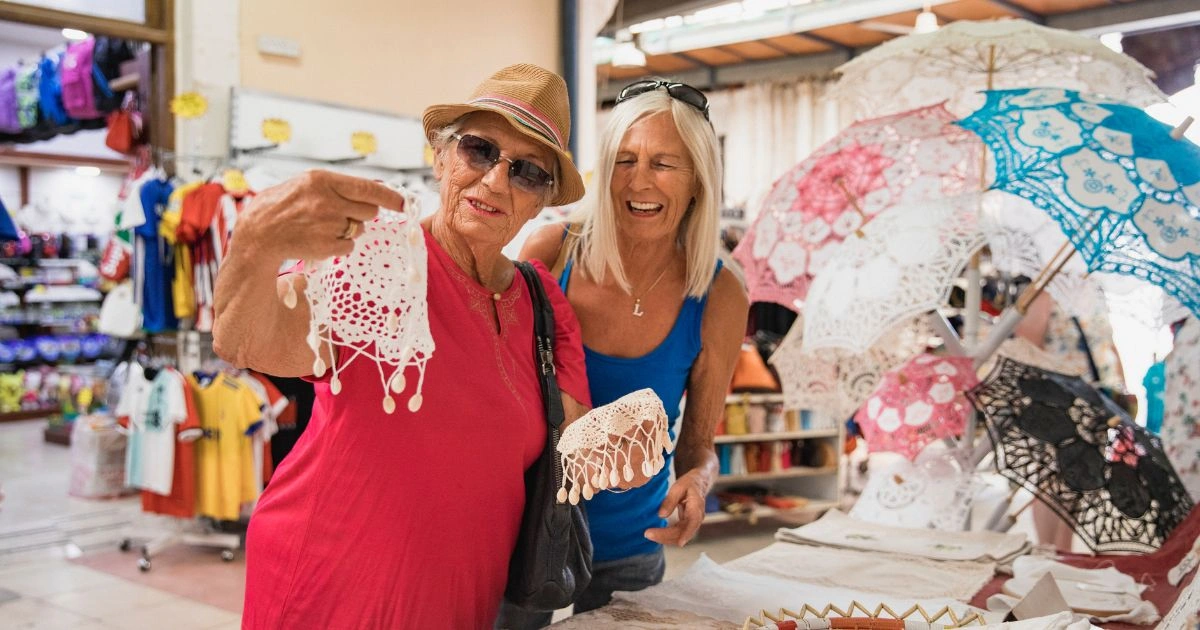
Shopping abroad can turn a vacation into one of the most memorable experiences of a lifetime. Beyond sightseeing and tasting local cuisine, hunting for unique products, local crafts, and better deals than back home brings a new kind of excitement to travel. Whether exploring markets in Istanbul, malls in Milan, or electronics districts in Tokyo, knowing how to shop smart abroad can save money and help travelers bring home something truly special.
Finding great deals abroad takes planning, local insight, and smart money habits. With the right strategy, shopping becomes not just about buying items but about connecting with a destination’s culture and craftsmanship. This guide breaks down how to research, where to shop, how to navigate markets and boutiques, and key practical tips to make the most out of your international shopping adventures.
Plan Before You Go
Good shopping abroad begins long before stepping on the plane. Preparation helps you understand what to look for, how much to expect to spend, and where the real value lies.
Researching a destination’s famed products pays off. For example, Italy is known for leather goods, Japan for innovative skincare and gadgets, and Morocco for spices and rugs. Knowing what each place excels at helps you spot authentic deals instead of paying tourist prices for common items.
Price comparisons are another cornerstone of smart shopping abroad. Tools like Google Shopping can show local price ranges before departure, helping you avoid impulse buys that are not actually bargains. Take screenshots of products and prices ahead of time so you can quickly check current local prices as you explore.
It also helps to learn a few essential phrases in the local language. Simple greetings and expressions can build goodwill, and in some marketplaces, polite bargaining is expected. Being prepared culturally makes interactions smoother and often leads to better deals.
Understand Local Shopping Culture
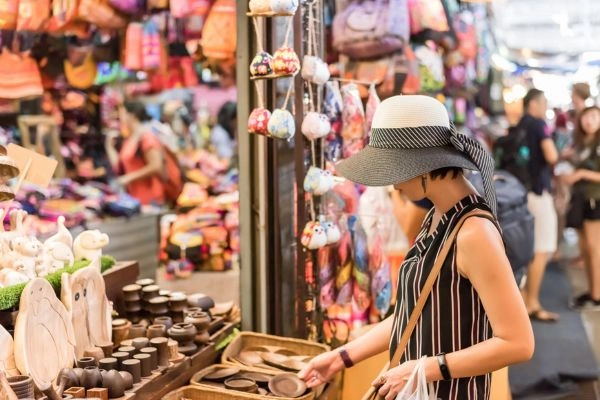
Every city has its own shopping culture and etiquette. In many countries, strolling through local markets or haggle-friendly bazaars is part of the adventure.
In places like Marrakech and Istanbul, bargaining is customary and can make negotiations part of the fun. The key is to be respectful and friendly. Start with a reasonable price offer and work up from there. This approach often leads to mutual satisfaction rather than hard bargaining that feels confrontational.
In contrast, high-end boutiques and luxury stores in cities like Paris or Milan usually have fixed prices. Here, shopping abroad means discovering local designers and limited edition pieces that reflect regional trends and craftsmanship. Reading store reviews and browsing local fashion blogs can point you to hidden gems beyond the typical tourist circuit.
These cultural nuances do more than help you shop wisely. They enrich the travel experience by providing insight into how locals approach commerce, style, and everyday life.
Explore Markets and Hidden Shopping Gems
Tourist districts often charge higher prices for goods that may not be locally made or special. To find real value, head to markets and shopping districts where locals go.
Open‑air markets, flea markets, and neighborhood boutiques frequently offer better prices and more authentic products than main tourist streets. Markets also allow direct interaction with artisans and sellers, giving you a sense of how items are made and whether they are worth your investment.
Cities like Tokyo have electronics districts where gadgets might be priced lower than back home, while Bangkok offers bargains on tailored clothing and silverware. These areas often have shop reviews written in the local language, which can be a good sign that locals shop there too.
Guided city tours and travel forums such as TripAdvisor or Reddit’s travel communities can reveal lesser‑known shopping districts popular with residents but overlooked by visitors. Search for local favorites rather than sticking to the most advertised tourist spots.
Know How to Handle Currency and Payments
Understanding how money works abroad helps you keep more of your travel budget in your pocket. Poor currency decisions can easily erase the benefit of a great deal.
Always choose to pay in the local currency. Paying in your home currency may seem easier, but it often triggers Dynamic Currency Conversion, which results in an unfavorable exchange rate and additional fees.
Travel‑friendly payment apps and cards like Wise or Revolut often provide near‑midmarket exchange rates and lower or no foreign transaction fees. Some traditional bank cards still charge 2 to 3 percent per foreign transaction, so double‑check your card agreements before you go.
Carrying a moderate amount of local cash helps with markets and smaller shops that might not accept cards, while larger purchases are safer on credit cards that offer fraud protection. Always notify your bank before traveling so your international purchases are not flagged as fraudulent.
Use Tax Benefits and Refunds
Many countries allow visitors to reclaim the Value Added Tax (VAT) or sales tax on purchases made within their borders. This feature can lead to substantial savings if you know how to do it correctly.
Typically, purchases over a specific minimum qualify for VAT refunds. Make sure the store participates in the tax‑free program and that you request the proper forms when you make a purchase. Keep receipts organized, as you will need them for the refund process.
At the airport before departure, present your forms to the customs office for stamping. After that, you can claim your refund either at a kiosk or via mail. Many countries have fast‑track systems that allow mobile refunds, which simplifies the process.
These steps may sound technical, but the savings on luxury goods, fashion, and electronics can be significant.
Bring It Home: Packing and Customs Tips
Shopping abroad includes planning how your items will be returned home. Airlines charge hefty fees for extra luggage, so think smart.
Pack a foldable bag in your suitcase before you leave. This extra space makes it easier to fit new purchases and avoid overweight baggage fees. If items are heavy or bulky, consider shipping them home via local postal services or a specialty logistics provider that handles international parcels.
Know the customs rules for your home country before you pack. Some countries have specific duty‑free limits; for instance, returning residents of the United States must declare items exceeding the $800 duty‑free exemption and may owe duties on the excess.
Electronics, alcohol, and tobacco often have separate limits, so check regulations carefully. Also, avoid packing food and plants that may be confiscated at customs. Staying informed helps prevent surprises at the border.
Safety Tips When Shopping Abroad
Shopping abroad should be fun, but safety is just as important as finding deals.
Avoid vendors offering impossibly low prices without receipts. These often mean counterfeit goods or items with unclear provenance. Electronics priced far below market value should be viewed with suspicion. Trust shops with clear reviews and established reputations.
Keep your purchases and payment tools secure. Wallets with anti‑RFID protection help protect card information, while keeping valuables close reduces the risk of pickpocketing in crowded markets. When possible, use credit cards that offer fraud protection and dispute options. These habits make shopping abroad both safer and more enjoyable.
Best Items to Look For When Shopping Abroad
Different cities and regions are known for specific items that may be cheaper or unique to their markets.
Europe, for example, offers great deals on designer fashion, luxury goods, and perfumes. Milan and Paris are iconic for leather and couture. Japan provides skincare products and gadgets that might not be priced as favorably outside Asia. Markets in Morocco and India are famous for handcrafted textiles, jewelry, and artisan goods.
Specialty products tied to local culture often hold more value as souvenirs and gifts than generic tourist trinkets. Focus on items tied to a region’s heritage and craftsmanship to capture the true spirit of the place.

Timing and Holiday Seasons Matter
Just like at home, sale seasons abroad can bring major discounts and attract savvy shoppers.
In many European countries, winter and summer sales offer significant markdowns on fashion, electronics, and accessories. Similarly, Japan’s festive sales periods lure bargain hunters with steep cuts. Research local sale calendars before booking your trip to make the most of these opportunities.
Weekday mornings are often quieter and may offer better service and prices, while local shopping festivals coincide with holidays and cultural celebrations in some areas. Planning your trip during these times enhances both experience and value.
Online Shopping While Abroad
Shopping abroad does not always mean physical stores. You can also take advantage of regional online marketplaces while on your trip.
Sites like Amazon’s local versions (for example, amazon.de in Germany or amazon.co.jp in Japan) may offer products at competitive prices. Local platforms like Coupang in South Korea or Fnac in France often have deals not seen elsewhere. Ship items directly to your hotel or use local lockers for convenience.
This blend of physical and online shopping abroad gives access to deals and products you may not find locally. Just verify delivery timelines so items arrive while you are still in the country.
Frequently Asked Questions
Here are common questions with quick, easy answers to help travelers plan their international shopping experiences.
- What Is The Safest Way To Pay When Shopping Abroad?
Paying in local currency avoids poor exchange rates. Use travel‑friendly credit cards or apps that waive foreign fees. Cash is useful in markets where cards are not always accepted.
- How Do VAT Refunds Work When Shopping Abroad?
Many countries allow tourists to claim back Value Added Tax on qualifying purchases. Request a refund form at purchase, show receipts at the airport, and submit stamped forms for cash back.
- Is Bargaining Expected Everywhere When Shopping Abroad?
Markets and bazaars in some countries welcome bargaining. In high-end boutiques, prices are usually fixed. Knowing local norms before you go makes shopping smoother.
- What Items Are Worth Buying While Shopping Abroad?
Focus on local craftsmanship and specialties such as leather goods in Italy, unique cosmetics in Japan, spices in Morocco, and textiles in India.
- What Should Travelers Avoid Buying Abroad?
Cheap counterfeit goods and restricted items, such as certain foods or protected animal products, can cause issues at customs. Always check regulations and authenticity before buying.
Making the Most of Shopping Abroad
Shopping abroad should be about more than bargains. It’s a chance to explore how local culture, craftsmanship, and markets reflect a place’s identity. With preparation, cultural understanding, and smart money habits, travel becomes a rewarding experience.
Keep researching each destination’s specialties, compare prices before you go, and stay open to unique finds. That way, your purchases become more than just items; they become mementos of experiences and discoveries across the globe.