Rome Travel Itinerary: The Perfect 3, 5, and 7-Day Guide
A well-planned Rome travel itinerary can completely change how the city feels, turning crowded sightseeing into a smooth, memorable journey. Rome is not a destination that rewards rushing, since every corner seems to hold layers of history, food culture, and architectural detail. A thoughtful approach helps balance iconic landmarks with slower moments in neighborhoods filled with local life.
Modern travel reviews and recent tourism insights highlight a growing preference for slower, more flexible schedules in Rome. Visitors are increasingly mixing famous sites with café stops, food markets, and walking routes that feel less scripted. This guide breaks down structured plans while keeping space for spontaneous discoveries that often become the most memorable part of the trip.
Rome Travel Itinerary For First-Time Visitors
A first-time Rome travel itinerary usually focuses on the essentials, where ancient landmarks and Vatican highlights take center stage. The key is pacing the days so that major attractions do not feel overwhelming. Rome’s layout is walkable in parts, but distances and crowds still require planning.
Recent travel trends show that first-time visitors benefit from early bookings for major sites. Attractions like the Colosseum and Vatican Museums often sell timed-entry tickets in advance, reducing long queues. This approach creates more time for exploring streets, food stops, and scenic viewpoints.
3-Day Rome Travel Itinerary: Highlights And Essentials
Day 1: Ancient Rome And Historic Center
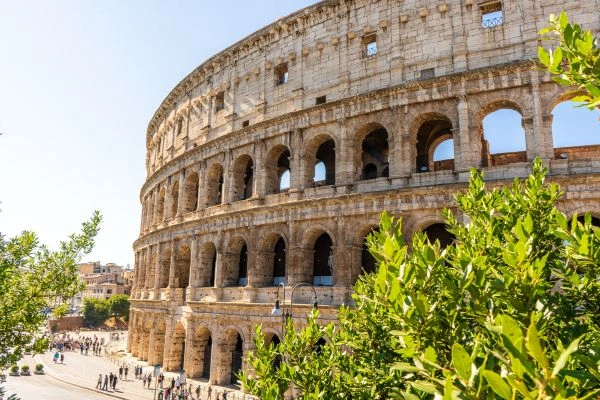
The first day of a Rome travel itinerary often begins with Ancient Rome, including the Colosseum, Roman Forum, and Palatine Hill. These sites provide a direct connection to the city’s imperial past and are best explored in the morning when temperatures are cooler. Walking between these landmarks gives a sense of how closely layered Rome’s history truly is.
The afternoon can be spent in the historic center, including Piazza Venezia and the Pantheon. The Pantheon remains one of the best-preserved ancient structures in the city and continues to draw strong visitor interest due to its scale and design. Ending the day near the Trevi Fountain adds a classic Roman evening atmosphere.
Day 2: Vatican City And Art Masterpieces
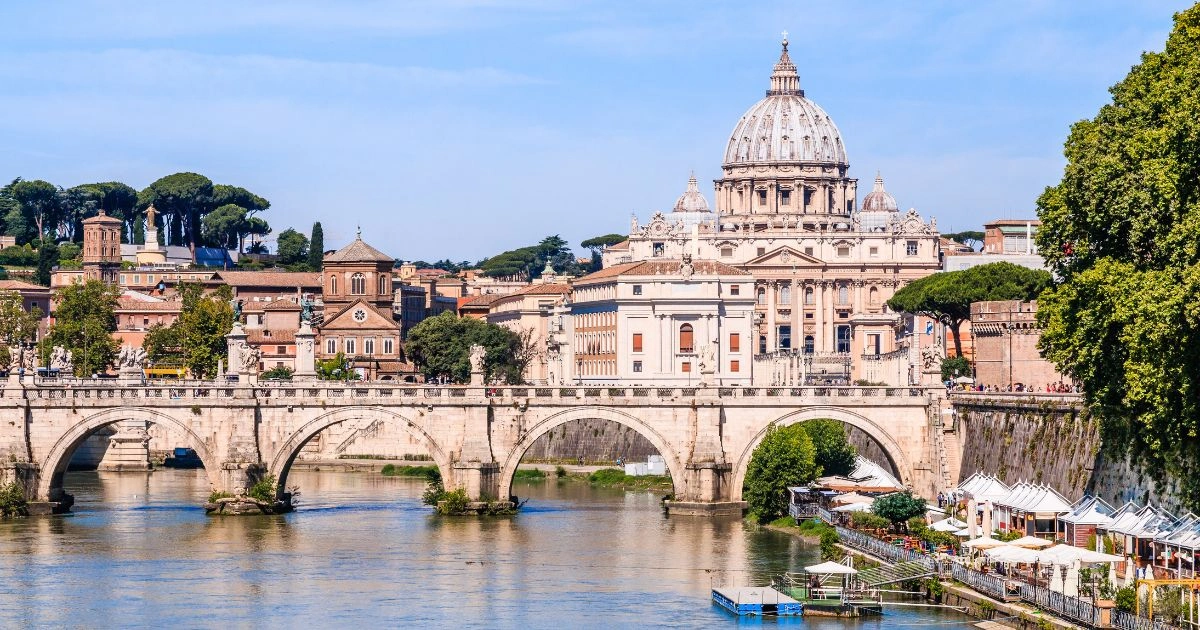
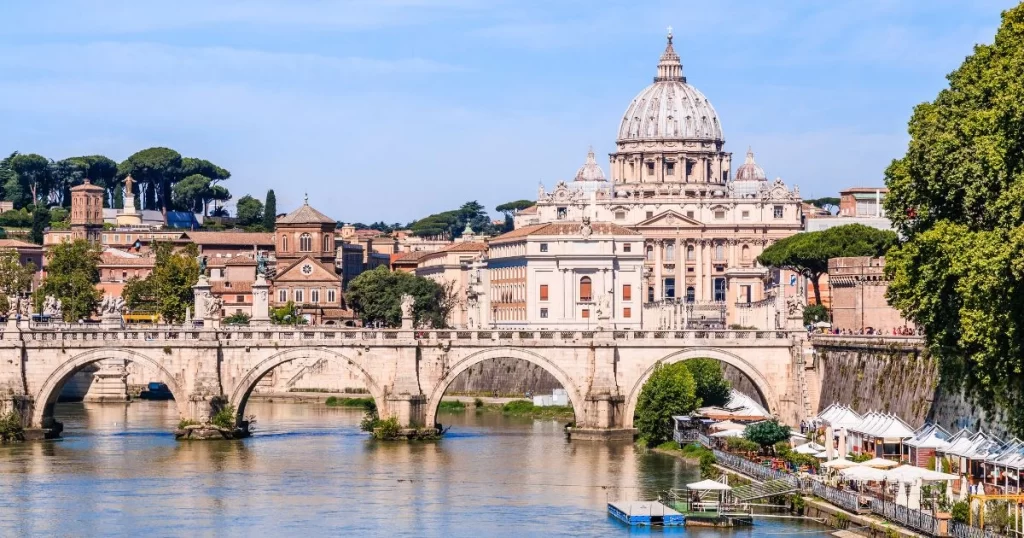
A second-day Rome travel itinerary often focuses on Vatican City, where St. Peter’s Basilica and the Vatican Museums dominate the experience. The Sistine Chapel remains one of the most visited spaces, with Michelangelo’s ceiling frescoes attracting global attention. Early entry is widely recommended due to consistent crowd levels.
The afternoon can include St. Peter’s Square and a climb up the dome for panoramic city views. Recent travel reviews highlight the importance of comfortable footwear due to stair climbs and long museum routes. Ending the day with a walk along the Tiber River provides a calmer contrast to the morning’s intensity.
Day 3: Local Neighborhoods And Food Culture
The final day of a Rome travel itinerary often shifts away from landmarks toward neighborhoods like Trastevere and Monti. These areas are known for narrow streets, independent boutiques, and lively dining scenes. Trastevere, in particular, is popular for its relaxed evening atmosphere.
Afternoon exploration can include local markets and gelato stops, which are frequently highlighted in recent food-focused travel articles. The Campo de’ Fiori market remains a key stop for fresh produce and street food culture. This final day helps balance historical sightseeing with everyday Roman life.
5-Day Rome Travel Itinerary For Deeper Exploration
Expanded Cultural And Museum Experiences
A 5-day Rome travel itinerary allows more time for museums and lesser-known landmarks. The Capitoline Museums and the Borghese Gallery are often included for visitors who want a deeper artistic experience. These spaces offer quieter alternatives to the busiest attractions.
Travel reviews emphasize booking Borghese Gallery entries in advance due to strict time slots. The experience is more intimate than that of larger museum complexes, making it a strong addition to extended stays. This extra time also allows for slower mornings and for exploring café culture.
Trastevere Evenings And River Walks
Evenings in a longer Rome travel itinerary often center around Trastevere’s dining streets and riverside walks. The area becomes especially active at night, with restaurants serving traditional Roman dishes in open-air settings. The atmosphere is lively but still retains a local feel.
The Tiber River paths offer a scenic walking route that connects several districts. Seasonal markets and pop-up stalls sometimes appear along the riverbanks. This combination of food and scenery adds balance to a longer stay.
Day Trips Within Reach
A 5-day plan often includes short excursions using regional trains operated by Trenitalia. Tivoli is a common choice, known for Villa d’Este and its elaborate gardens. These trips are typically under an hour from central Rome.
Another option is Ostia Antica, an archaeological site that provides a quieter alternative to the Roman Forum. Recent travel guides highlight it as an underrated destination for history enthusiasts. These day trips help expand the experience beyond central Rome.
7-Day Rome Travel Itinerary With Extended Exploration
Deep Historical And Cultural Immersion
A 7-day Rome travel itinerary allows for a more relaxed approach to major landmarks. Instead of tightly grouping attractions, time can be spread across multiple visits to avoid fatigue. This creates space for revisiting favorite sites at different times of day.
Travel trends show growing interest in revisiting key monuments in the early morning or late evening. Lighting conditions and crowd levels significantly change the experience. This flexibility is one of the biggest advantages of a longer stay.
Florence Or Pompeii Day Trips
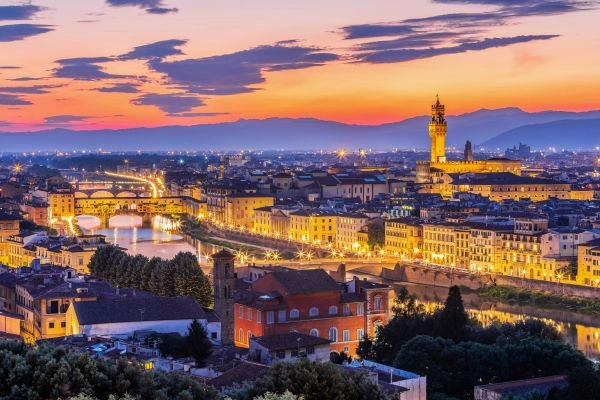
Longer stays often include train travel through Trenitalia, with Florence and Pompeii being the most common destinations. Florence offers Renaissance art and architecture, while Pompeii offers a preserved ancient city. Both are widely recommended in updated travel guides.
Pompeii, in particular, is often paired with guided tours for better context. Florence can be reached in under two hours by high-speed rail, making it accessible for a full-day excursion. These trips add a sense of contrast to Rome’s historical layers.
Leisure Time And Local Living
A slower Rome travel itinerary also includes downtime for cafés, shopping streets, and parks. Villa Borghese Gardens is a popular choice for relaxed walks and bike rentals. This helps balance intense sightseeing with rest.
Evenings can focus on long dinners and neighborhood exploration. Monti and Prati are frequently highlighted in recent travel coverage for their authentic dining scenes. A week in Rome allows these quieter moments to become a central part of the experience.
Where To Stay In Rome For Every Budget
Luxury Hotels And Premium Comfort
Luxury accommodations such as Hotel de Russie and Rome Cavalieri, A Waldorf Astoria Hotel, are often featured in high-end travel reviews. These properties offer strong service, central access, and refined interiors. Many include rooftop terraces with city views.
Premium stays are often located near the Spanish Steps or the Vatican area, offering convenient access to major attractions. Recent hospitality trends emphasize wellness features like spas and private gardens. These details appeal to travelers seeking comfort after long days of sightseeing.
Mid-Range Hotels And Reliable Chains
Mid-range options such as Hilton Rome and Marriott properties provide a balance between cost and comfort. These hotels are often chosen for consistent service standards and accessibility. Many are located near transport hubs or key districts.
Recent reviews highlight the importance of choosing hotels near metro lines for easier citywide travel. Breakfast inclusions and air-conditioned rooms are also highly valued. This category remains one of the most practical choices for structured itineraries.
Budget Stays And Flexible Options
Budget travelers often turn to Airbnb or small guesthouses in districts like San Lorenzo or Testaccio. These areas provide more local experiences at lower prices. Short-term rentals also offer kitchen access, which can reduce dining costs.
Recent travel feedback shows increased demand for flexible check-in options and self-service stays. While amenities may be simpler, location and authenticity often make up for it. Budget stays work especially well for longer itineraries.
Getting Around Rome Efficiently
Public Transport And Metro Lines
Rome’s transport system, operated by ATAC Roma, includes metro lines, buses, and trams. The metro is the fastest way to reach major landmarks such as the Colosseum and the Vatican. However, coverage is limited compared to other European capitals.
Recent travel updates highlight occasional delays, underscoring the importance of planning. Tickets are usually available at stations and convenience stores. Many visitors combine walking with the metro to make the most of their time.
Walking And Scenic Routes
Walking remains one of the most effective ways to experience Rome. Many major attractions are within a reasonable distance of each other when grouped by district. Streets often reveal unexpected ruins, fountains, and cafés.
Recent tourism reviews emphasize walking as the best way to understand Rome’s layout. Comfortable shoes are essential due to cobblestone surfaces. This approach also allows spontaneous stops, which are often the highlight of the trip.
Best Food Experiences In Rome
Traditional Roman Restaurants
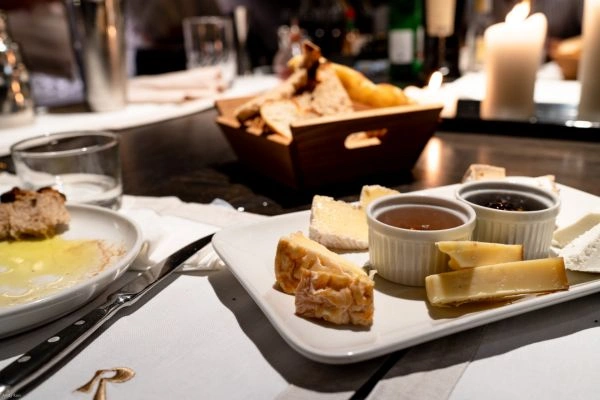
Restaurants like Roscioli are frequently featured in modern food reviews for their cured meats, pasta dishes, and wine selection. Dining here often requires reservations due to popularity. The experience is known for its balance between tradition and quality.
Other well-known spots include trattorias in Trastevere serving classics like carbonara and cacio e pepe. These dishes remain central to Roman cuisine. Recent food coverage highlights strong demand for authentic, simple cooking rather than modern fusion.
Street Food And Casual Dining
Street food is a major part of a Rome travel itinerary, especially pizza al taglio from bakeries like Pizzarium Bonci. These quick stops are ideal between sightseeing sessions. Portions are typically sold by weight, allowing flexibility.
Markets and casual eateries offer supplì (fried rice balls) and fresh sandwiches. These options are widely praised in updated travel food guides. They offer affordable, quick alternatives to sit-down meals.
Food Markets And Gourmet Spaces
Eataly Rome has become a popular stop for curated Italian food products and casual dining. It combines retail and dining in a single space, making it convenient for travelers. The market-style layout allows sampling multiple dishes.
Campo de’ Fiori also remains a key food market with seasonal produce and local vendors. Morning visits offer the best selection. These spaces reflect Rome’s evolving food culture while maintaining tradition.
Essential Travel Tips For A Smooth Rome Trip
Skip-The-Line Strategies And Passes
Recent travel recommendations strongly emphasize skip-the-line tickets for major attractions. The Roma Pass and Omnia Vatican Card are often used for bundled access and transport benefits. These options reduce waiting time significantly.
Booking online in advance has become standard practice for popular sites. Time-slot entry systems are now widely implemented. This helps manage crowds and improves overall flow.
Seasonal Planning And Timing
Travel patterns show that early mornings and late afternoons offer the most comfortable conditions for sightseeing. Midday tends to be crowded and warmer, especially in peak travel months. Planning around these windows improves the experience.
Recent tourism data also highlights increased visitor numbers during spring and early autumn. These seasons offer more balanced weather and manageable crowd levels. Timing plays a major role in shaping the overall quality of the trip.
Common Mistakes To Avoid In Rome Travel Planning
One common issue in a Rome travel itinerary is overpacking each day with too many attractions. Rome rewards slower movement, and rushed schedules often lead to fatigue. Focusing on fewer landmarks per day creates a better experience.
Another frequent mistake is ignoring bookings for major attractions. Recent travel trends show increasing demand for timed entry slots. Without reservations, waiting times can significantly reduce available sightseeing hours.
Frequently Asked Questions
- How Many Days Are Ideal For A Rome Travel Itinerary?
A 3-day plan covers the major highlights, while a 5- to 7-day plan allows for deeper exploration. Longer stays offer more flexibility and fewer rushed visits. Many recent travel guides recommend at least five days for a balanced experience.
- What Are The Must-See Attractions In Rome?
Key attractions include the Colosseum, Roman Forum, Vatican Museums, St. Peter’s Basilica, and the Pantheon. These landmarks represent both ancient and religious history. They remain central to most travel plans.
- Is Rome Walkable For Tourists?
Rome is highly walkable within districts, but distances between major areas can be long. Combining walking with metro use is often recommended. Comfortable shoes are essential due to uneven streets.
- What Is The Best Area To Stay In Rome?
Centro Storico, Trastevere, and Prati are commonly recommended areas. Each offers different experiences, from historic charm to local dining scenes. Location preference depends on travel style and budget.
- Do Attractions In Rome Require Advance Tickets?
Yes, many popular sites require booking due to high demand. The Colosseum and the Vatican Museums often use timed-entry systems. Booking ahead helps avoid long queues and ensures smoother planning.
Closing Guide To Exploring Rome At The Right Pace
A well-structured Rome journey becomes far more rewarding when it blends iconic landmarks with slower, more intentional moments. Instead of treating the city as a checklist, a thoughtful approach allows each district, monument, and meal to feel distinct and meaningful. From ancient ruins to quiet cobblestone streets, Rome naturally reveals itself in layers when there is enough time to absorb its rhythm rather than rush through it.
Whether the stay is short or extended, the most memorable experiences often come from balance. Historic sites provide the backbone of the trip, while neighborhoods, cafés, and simple walks add depth and character. With flexible planning and space for discovery, Rome shifts from a destination into something more immersive, leaving a lasting impression that extends well beyond the final day.